Personal and Business Credit Score: Should I Keep them Seperate?

A personal and business credit score is essential to business viability due to its impact on several financial areas. Business credit scores and personal credit scores are similar in many ways. For example, you need a credit score to get a house, an insurance policy, approval for a loan, etc.
Similarly, a business credit score also has its role because the law treats a business like an individual. It means that business owners can buy property, get credit cards, and much more . However, the business credit score (like the personal credit score) impacts the interest rates, cash flow, and loan qualification criteria.
Business credit score can also help negotiate payments and get repayment plans or relaxation from creditors. The question is, what is a personal and business credit score, and is keeping them separate the best practice? Let us take a look at some basics first.
Personal and Business Credit Score: What is a Business Credit Score?
A business credit score provides a creditor, insurance provider, credit card service, or similar institutions with a general idea of your financial trustworthiness. The credit score denotes a business’s financial habits and its likeliness of returning a loan on time.
You can check credit scores through business credit reports, which may have the following:
Number of Employees
The number of employees and overall headcount represent the company’s reputation, production, and growth chances. The number of employees may also represent company strength and overall market value and makes a considerable part of the business credit score.
Historical Data of the Business
The company’s historical data includes its inaugurations, programs, major milestones, etc. The historical data helps the creditors determine the overall company performance, and predict future business graphs.
Past Payment History
The past payment history is an essential criterion for the personal and business credit score because it indicates financial habits. Companies that make on-time payments and avoid unnecessary payment defaults have a good business credit score.
Account Information
Account information includes the number of accounts the business deals with, the kind of transaction it makes, and the financial health of these accounts.
Amounts Owed
The amount owed represents the company’s financial stability and what it owes to the market lenders. The amount owed can include remaining payments, interest payments, insurance premiums, etc. The higher the amount owed, the lower the overall business credit score is.
Personal and Business Credit Score Separation
The separation between personal and business credit scores can be a little complex for small businesses, especially when the business doesn’t earn much. Separating personal and business finances is a must, as per financial experts, including credit scores.
The personal and business score may remain linked, no matter how hard you try to separate them. For example, a newly started business with insufficient working history may need to use personal credit history to meet the requirements.
Personal and Business Credit Score: What is the Difference?
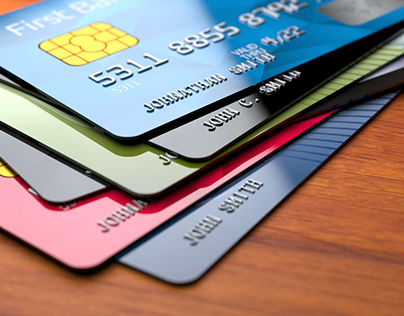
There are many differences between a personal and business credit score and account. Here is a list of fundamental differences to keep in mind.
Business Credit Scores have a Smaller Scale
Personal credit scores usually fall between 300 and 850, depending on the financials of a person. The business credit scores range between 1 and 100, making it a bit more complex. The smaller scale means that a business is more likely to lose or gain credit scores faster, depending on financial habits.
Anyone can check a Business’s Credit Score.
Personal credit scores are private, and only the credit account owners can check them. However, anyone can check the business credit scores to check a business’ ranking.
It helps creditors, financing companies, insurance companies, and other institutes to get a clearer idea of a company’s financial performance. In addition, customers may check a personal or business credit score registered under a business name.
Business Credit Scores use Employee Identification Number (EIN)
Personal credit scores depend on the owner’s social security number. However, business credit scores require an employee identification number. Anyone can access the EIN and get a clearer idea of a business’s finances.
Credit Reporting Company Difference
The personal credit score reports include three different reporting companies, Equifax, Transunion, and Experian. Experian and Equifax both have business credit reporting services, but Transunion does not.
However, business owners can also get their business credit reports through Dun & Bradstreet, which has a good reputation for business credit reporting.
Why do you Need Business Credit?
Business owners cannot perform business transactions if they do not have credit. The lenders check the business’s credit history when deciding the right loan amount for a business.
In addition, business owners also need business credit while getting an insurance policy, a mortgage on a property they want to buy, and more.
The IRS has rules about merging personal and business credit scores that all business owners must follow. Bookkeeping of merged accounts is complex and can land either of their credit accounts in problems if the other one falls back.
In addition, having a dedicated business credit account also makes one look more professional while paying for expenses.
Nevertheless, people with merged personal and business credit accounts will face massive problems if their business dips. The creditors will come after you and your family, trying to compensate the amount through your personal property.
When do Personal and Business Credit Score Mix?
The personal and business credit scores can mix, especially if a business owner is the only proprietor. Personal credit scores impact the owners more than business credit scores, making them risky.
In addition, some businesses can demand a person’s social security number. Let us talk about scenarios where business owners may need to use their personal credit scores.
Property Lease
Business owners may need to present their personal credit history to the landlord while taking property under lease. Landlords have the right to demand a personal credit history to ensure finances.
Crediting
The Fair Credit Reporting Act also allows creditors to view a borrower’s business credit line as sole proprietors of business lending.
Background Checks for Insurance Policies
Insurance companies perform complete background checks on the borrowers, including their personal credit history.
Giving merged credit accounts may provide these people access to your personal credit history. In addition, repetitive inquiries on your account can make your credit scores go down, impacting your business.
How to Check Business Credit Scores?
Checking personal and business credit scores are quite different. Account owners can quickly check their credit reports from any reporting company. However, business credit reporting is more complex. Account owners can check their personal credit scores through free reports but need to pay for their business credit reports.
Have a look at the best method to get business credit reports from each credit company.
Dun & Bradstreet
Signing up for the Dun & Bradstreet Credit Signa is the best option as it lets you check your business credit progress over time. It is a free program and lets you check your credit reports when the business profile is accessed.
The firm allows account owners to view four Dun & Bradstreet business credits and ratings for two weeks (14-days).
Equifax
Equifax also has a business credit reporting option but with a fee. Account owners can request a report for $99.99 or get five different reports for $399.95. It is best to check the Equifax website for more details and information. You can contact their professionals, discuss the business credit report options and choose accordingly.
Experian Intelliscore Plus
Experian lets its customers check their business credit reports as well. However, their prices may differ as per their plan type. Account owners can check their reports for as less as $39.55. However, you can monitor your credit reports if you pay $189 for the whole year.
The service you choose depends on the kind of requirements you have. Some lenders can also demand specific company reports. These reports are essentially the same, but a few report elements may differ for each credit reporting.
How to Separate Your Personal and Business Credit Score?
Keeping credit scores separate matters the most for small businesses as they are at a higher risk. Having two different credit accounts ensure asset safety and business loan ease and avoid damage from any account max accounts.
However, separating the two accounts can be challenging for some people. Here are some of the best practices to separate personal and business credit scores.
Establish the Business as a Separate Entity
Registering your business as a separate identity is the first step to keeping your accounts unconnected. Many terms like LLC, Sole Proprietor, and S-Corp, fall under these separately established businesses and your tax managers can help grasp the best practices.
Improve your Business Credit
The majority of the lenders require personal credit history because business owners have short business account history. Apply for a credit line for your business finances only
Keep an Eye on Your Accounts
Business accounts get checked by lenders and financers more often compared to others. It is imperative to check your business credit accounts if you want to maintain financial independence.
Let us talk about how one can boost and maintain their business credit scores.
Personal and Business Credit Score: Improving your Business Credit Score
Following are the best practices to improve your business credit scores.
Check Your Credit Report
Request a business credit report using the above mentioned methods and see where you stand. The reports will give a clearer idea of your current business credit line and can help you consult with professionals about it.
You must focus on accounts that may negatively impact your credit history or check for credit reporting errors. Account owners can also check for disputable items on the credit report and discuss them with professionals for improved credit reports.
Pay your bills on Time
On-time payments are essential for your personal and business credit score both. It is the most critical factor because anything else done gets canceled out because of debt risk.
Reduce Credit Utilization
Credit utilization matters for both personal and business credit score both. The ratio represents the difference between the total lendable amount and the amount owed.
The utilization ratio ranges can be as high as 30% for personal credit scores. However, the ratio reduces for business credit scores because experts suggest keeping it at 15%. A lower business credit utilization represents business stability and ensures checkers have no problem.
Increase Credit Limit
Companies can request their credit providers to increase credit limits once a year. However, the business needs to maintain optimal financing records for an increased credit limit. The additional credit limit increases the credit score and makes qualifications easier.
Reduce Credit Expense
Business should try their level best to make most of their payments through cash. Cash payments have no negative impacts on your credit scores and can help your business maintain a good reputation. It is best to discuss your spending strategy with a professional before progressing.
Pay Bills more than once a Month
Piled-up credit dues can negatively impact the business’s credit score. Business owners need to pay off all dues and keep their accounts updated. Recurring payments will clarify that your business is safe to lend money to.
Personal and Business Credit Score: Bottom Line
Personal and business credit scores have their pros and cons, and business owners need to learn their difference. Separating your credit lines will ensure improved financial security for you and your family if your business suffers a loss.
You can use the business scores to issue new credit cards, open a new account, get a property on lease, and more. However, it would help if you keep your personal and business credit score up to its mark.
Companies should consult with professionals for their credit histories. We suggest you connect with our professionals at credit Follows for more info on separating your personal and business credit score.