5 Personal Credit Hacks to Boost Your Business Credit Score
Having a good business credit score means access to the best loans with lower interest rates. Many businesses need loans to cover day-to-day expenses, expand the business, hire additional staff, and purchase inventory. This way, good to excellent scores also save you money in the long term. If you want to enjoy the benefits of higher scores, practice personal credit hacks. But why do you need to improve your personal credit score?
Since you will be operating your business, having a good personal financial record shows that you will use appropriate methods to maintain your business finances. A good personal score encourages lenders to believe in you and provide you with a loan or credit for your business. Also, your personal score will help you improve your business score. If you want to learn more, read further.
What is a Business Credit Score?
Business credit scores are no different from general credit scores. These scores are calculated based on the business’s financial history. Business lenders check the score to verify whether it can repay debt.
Credit issuing companies use several data sources to understand how creditworthy your business is. Generally, they consider the following things:
- Payment performance information- have you repaid finances before the due date, have you paid invoices on time.
- Companies House information- length of trading and trend in financial accounts, whether you can meet filing accounts.
- Public information- any court judgments
Factors Affecting Your Business Credit Score
Your business credit score depends on five major factors that help credit bureaus decide your credit score.
· Credit Utilization
This is one of the most important factors and it can greatly impact your score. How many accounts does a business have, what is your total credit card limit, and how much do you use from your credit card? The higher your credit utilization rate, the more challenging it will be to maintain a good credit score. On top of that, if all your cards have higher credit utilization, it’s impossible to improve your business score.
· Payment History
Missed due dates, on-time payments, the overall payment schedule, and how often you pay before the due date. You can improve your credit score by simply paying on time.
· Credit Age
If your credit card is new, it may look like a difficult task to build it. You’ll need time to build your credit history. The longer your credit history will be, the more beneficial it will be for you.
· Credit Inquiries or Recent Applications
This is a procedure when a lender pulls your credit report for review. Few credit inquiries in a year will not be detrimental to your credit. However, frequent inquiries are worrisome because they can drop your score significantly.
· Types of Credit
What types of credit you are using? How many credit accounts are under the name of your business? A wise credit mix can help you improve your score.
What Defines a Good Credit Score?
All three credit bureaus have a particular system for credit scoring. The credit score is indicated on a scale of 0 to 1,200. These scores are categorized as below average, poor, good, very good, and excellent. Here are the ratings with their ranges.
- Below Average: 0 – 509
- Average: 510 – 621
- Good: 622 – 725
- Very good: 726 – 832
- Excellent: 833 – 1200
Having a below-average credit score makes it challenging to get credit cards or loans. Good and average range is fine for many creditors, but they offer loans with higher interest rates. On the other hand, a business with excellent and very good scores can easily get approval from any creditor. Since a business can’t afford to lose its money due to a lower score, you better start working on it.
Personal Credit Hacks for Business Credit Score
Startup business owners face quite an ordeal to secure higher credit scores. This prevents them from following credit approval guidelines. In these cases, your creditors will need credible financial information to understand whether you are eligible to get a credit card. This is when you need to give a personal guarantee to get approval for your application.
Giving a personal guarantee means that you need to give personal financial records and information, such as credit reports. If you have a lower score, it will become challenging for you to obtain business credit, especially for the ones who have a limited credit history or just got personal credit.
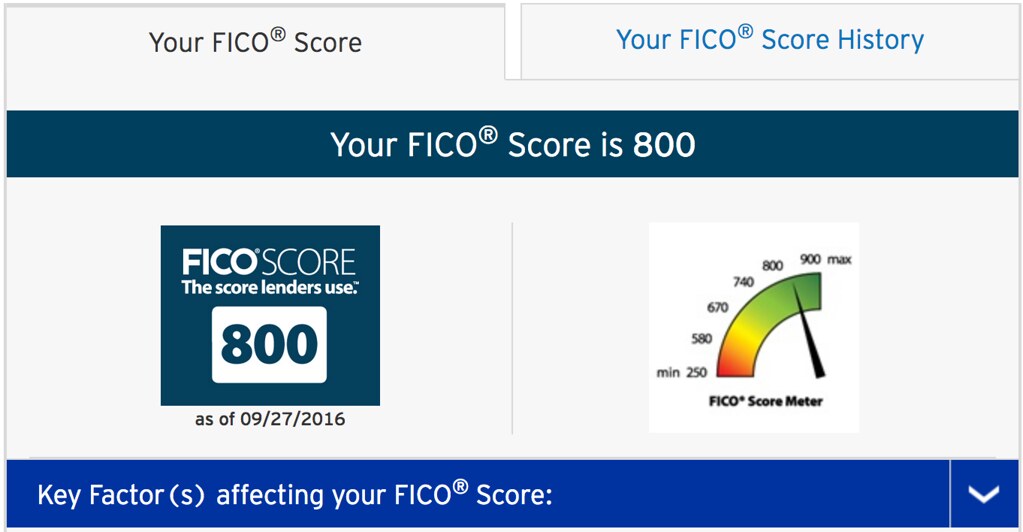
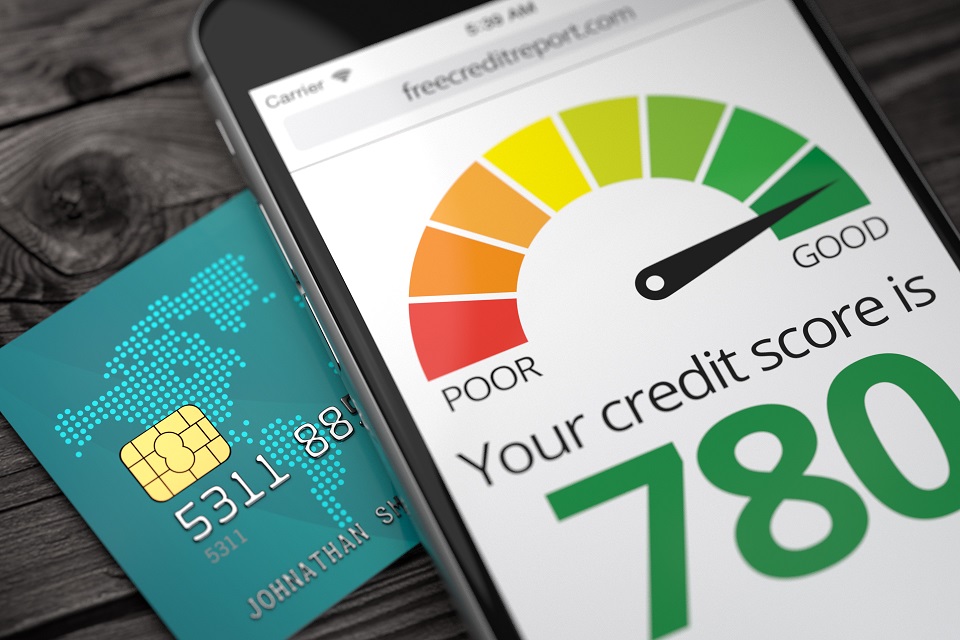
A good credit score is 720 or above. People with this score have higher chances of getting business credits, lower interest rates, and favorable loan terms. A score of 600 or above can secure credit, but, generally, on higher interest rates. This is because a higher score indicates a higher risk of default to the lender. Therefore, many lenders avoid giving credit cards to businesses with lower scores.
Do you have a lower credit score? Then, don’t worry. The good news is that you can easily fix it. While it’s true that business credit is different from personal credit, the method of maintaining and improving them are pretty similar. Here, we have mentioned personal credit hacks that you can use to boost your business credit score.
1. Minimize Credit Utilization
Like your personal credit score, your business credit score is also greatly impacted by the credit utilization rate. A utilization rate is calculated by dividing the amount of money you use in your credit by your credit limits. Note that a credit utilization rate should not be more than 30% if you want to improve your score. This means that you need to limit your use of credit, whether it’s your personal or business credit.
For instance, if you use $5,000 from your credit, while its limit is $20,000, you have used 40% of the credit amount you have access to. This 40% is your credit utilization rate. High credit utilization indicates that you are heavily dependent on your credit cards for your personal or business expenditure. Also, when you have a high utilization rate, your credit score can fluctuate by more than 50 points, greatly impacting your score. This way, it’s vital to limit your use and pay bills on time. In fact, if you pay your bills early, your balance statement will include information about the money you have used, helping you to reduce your utilization rate.
If possible, then try to aim for a 10% utilization rate on each of your cards. This can help improve your score quickly. Here are some tricks that can help you reduce your utilization rate.
- Keep an eye on the amount you have used from your credit so that you can stop using it at the right time.
- Calculate the 30% or lower of your each credit card balance. This way, you will know how much money to use.
- Use multiple cards to distribute your spending.
2. Make Payments Early and Often
It’s a common habit among credit consumers to pay their credit card bills by the due date on the credit statement. This might look easy, but it prevents you from improving your score, even when you are making regular monthly payments. You can boost your credit score by paying off your bills a few days before the due date. This way, your balance on the statement will reduce if you pay before the end of the cycle. So, when your credit card lender reports your balance to the credit bureau, they will only show the balance that appears on the last date in your credit report.
The goal of paying bills early is to minimize your credit utilization rate. Since your lenders will report low balances, credit bureaus will lower your credit utilization rate. This improves your chances of getting approval for your business card.
Do you want to improve your score as quickly as possible? If so, then try to make extra payments on a monthly basis. Paying more than you have to before the due date will offer you the benefits we have discussed. Additionally, pay off higher credit cards first so that you can improve credit utilization rates on them.
3. Monitor Your Credit Consistency
One of the most efficient personal credits hacks is to monitor your credit consistency. Whether it’s your personal or business credit, set up any type of continuous monitoring system. This will help you keep an eye on your cash flow and understand how much credit you are using. Both businesses and individuals can optimize their spending once they start monitoring their credit.
Also, when you notice some changes, you can pull your credit reports at any time. Note that you can get credit reports from all three bureaus for free once a year. Once you review your reports and find errors, you can always report them to the credit bureau. They will contact your creditor and fix the error.
4. Resolve Unpaid Collections
If you have unpaid collections on your credit report, it can be detrimental to your credit score. Note that collections are incurred from past due balances that lenders think you will not pay. In this case, the creditor sends your account to the third-party collection organization that is responsible for recovering money from you. Although collection accounts are not common, you should resolve unpaid collections if you fall into this category.
You can do this by contacting your creditor, discussing the matter with them, and asking them what you can do to remove this account. In most cases, lenders direct consumers to a collection agency, which might get ready to remove the accounts in exchange for the money you have to pay. Even if they don’t remove it after paying, they will label your account as “paid in full” or “settled”. Still, paid collection account looks more appropriate than an unpaid one. There are high chances that your lender will approve your credit application.
5. Diversify Your Credit Profile
This is one of the most interesting personal credit hacks. Diversifying your credit profile can greatly help you. Wondering how? Successfully maintaining different credits indicates that you or your business are responsible, resulting in an improved credit score. More precisely, you need two types of credit profiles: revolving lines and installment credits. Revolving lines include credit cards, while installment credit includes care loans, mortgages, and personal loans. Successfully maintaining a credit mix shows that you can handle different credit situations.
Keep in mind that having different credit accounts is only beneficial when you have the ability to maintain all of them. You need to pay monthly payments on time and limit your credit usage. Furthermore, you need to pay your balances before the due date to reduce the balance at the end of the billing cycle.
Bottom Line
A credit score is one of the most important things when it comes to finances. Whether it’s your personal or business score, it can impact your life greatly. Not only will you struggle to secure a business loan, but you might not find a good property, as many lenders check credit reports before renting out offices. Hence, you need to have a score that prevents you to get into easily avoidable problems.
Credit Follows has a team of professionals who use the right tools and ideal techniques to improve your business credit score. Besides helping you use above mentioned personal credit hacks, we also help you practice clever financing techniques. Our aim is to guide you in the long run and help you find reasons that might impact your score. The best part is that we make everything easy for you by doing most of the work. So, if you need help, we are more than happy to help you.