What You Need To Know About the Three Main Credit Bureaus

People often talk about main credit bureaus and their assessments, but do you know what they are and why you need them? How many of them are there, and how do they differ? These are common questions that often go unanswered because people find it challenging to understand multiple credit companies.
Anyone who cares about their credit scores should know the role and differences between these credit reporting companies. Let us take a deeper look at these entities, their operations, and what makes them different from one another.
What are Credit Bureaus?
Credit bureaus are companies that compile credit reports and credit scores for individual consumers and borrowers. The reports then go to government organizations and lenders to assess the financial patterns of various people.
The reports from the main credit bureaus deal with the creditworthiness of the report owners and if lenders should deal with these people. It may also help the credit reporting companies recognize the amounts and rules for lending money to these individuals.
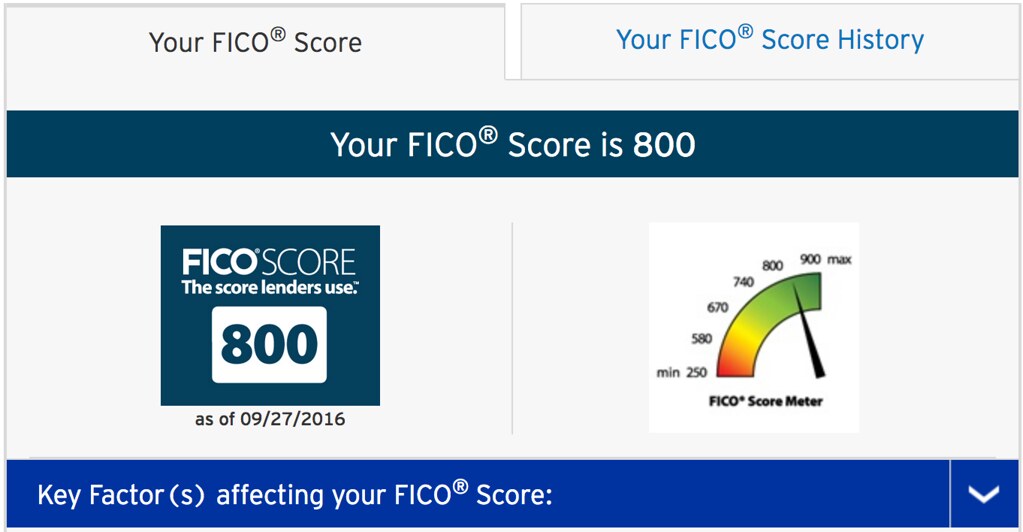
Information from the credit reports provided by the three credit reporting bureaus helps determine credit scores. These credit scores are three-digit numbers ranging between 300 and 850, depending on the financial performance of an individual.
Credit scores significantly impact a person’s life because it changes the amount of loan a person can get from lenders. A credit score also increases or decreases the interest rate a person pays on a loan. In addition, scores can also impact your mortgage, employment chances, and rent rates.
How are the Main Credit Bureaus Regulated?
The main credit bureaus are private institutions regulated by the Fair Credit Reporting Act (FCRA). The act includes all the powers, limitations, and jurisdictions of credit reporting companies.
The act helps the consumers and credit reporting companies stay safe. For example, credit reporting companies have the power to share the credit data with banks, lenders, creditors, etc.
However, they cannot annoy or disturb the consumer excessively while collecting this information. The FCRA ensures that the credit reporting companies do not go overboard with their investigations and data collections and keep the consumers and bureaus in check.
Credit reporting companies face more scrutiny, especially after the Great Recession in 2007-2009.
Credit reporting companies get their information from creditors, lenders, banks, and other financial parties. The main credit bureaus use this information, compile it, and then provide it back to the lenders in a single file.
It allows the credit reporting companies to get sufficient information to create the reports, and the lenders get a detailed report on the consumers in no time. These reports are accurate most of the time, which is a significant reason for the popularity of the leading credit bureaus.
Understanding the Three Main Credit Bureaus
More than three credit reporting companies in the U.S. do the same work, more or less. However, only three of these organizations have national significance for consumer data collection. The three main credit bureaus include the following:
- Equifax
- Transunion
- Experian
These three credit reporting companies are the leaders in the industry and are the reputable ones when it comes to collecting user information. These companies easily collect consumer information from credit markets, list it in concise reports, and then provide it to creditors upon request.
The credit scores connect to the FICO score, an analytic data company first known as Fair Isaac Corporation. The FICO score is somewhat similar to the credit score and has its ranking. Consumers and lenders can get their FICO scores from credit reporting companies.
However, their methodology for the score calculation may differ depending on their approach. On the other hand, Experian has its calculation method, known as “Experian/Fair Isaac Risk Model v2.”
Equifax
Equifax is an Atlanta-based company with over 11,000 employees worldwide. The organization operates/ invests in nearly 24 countries, making it one of the biggest credit reporting companies in the U.S. You will find Equifax in the following countries:
- Uruguay.
- U.S.
- U.K.
- Spain
- Singapore
- Saudi Arabia
- Russia
- Portugal
- Peru
- Paraguay
- New Zealand
- Mexico
- Malaysia
- India
- Honduras
- El Salvador
- Ecuador
- Costa Rica
- Chile
- Canada
- Cambodia
- Brazil
- Australia
- Argentina
Covering so many countries makes Equifax one of the three main credit bureaus worldwide. Equifax is best known for its data collection method, careful investigation, and extensive consumer-lender network for data.
The organization first started in Chattanooga, Tennessee, back in 1898 as a retail company that researched the worthiness of borrowers for a grocers association in the vicinity.
The company expanded operations into the insurance market, providing comprehensive reports on the insurance policy owners. Furthermore, Equifax started operating overseas within a decade, which was a massive achievement for a relatively new company.
The company adopted Equifax as late as 1979 and collected important company data between the 1980s and 1990s, making it one of the leading credit bureaus.
The main reason for Equifax’s popularity was its highly detailed reports. They present information on almost everything, from accounts listed on the credit reports and the transactions made. It also has information on late payments, payments due, etc. Equifax report also has information on any liens on your assets reported to the data collection agencies.
Experian
Experian is the second credit reporting company that consumers should know about. It has a domestic headquarters in Costa Mesa, Calif but started handling credit reports from the Western United States. Experian now markets itself as the leading information-providing service in the world.
Over 17,000 employees are working with Experian across 37 different countries. It has corporate headquarters in Dubai and Dublin, and operation offices as headquarters in the following countries:
- U.K.
- São Paulo
- Nottingham
- Brazil
Experian has a market cap of $34.3B, making it one of the most profitable organizations in the world. The company first started operating back in 1980 as Credit Data Corporation, purchased by TRW Inc. later in 1968.
Experian and credit reporting services are famous primarily because of a unique credit reporting system apart from many other organizations. Experian has held its place as one of the three main credit bureaus in the U.S. and provides consumer information to creditors and lenders worldwide.
Transunion
The final pick on our list of three main credit bureaus includes Transunion. The corporation covers over 1 billion individual consumers across 30 countries, and the company gets nearly 200 million filings through active members in the U.S. alone. There are over 65,000 different businesses that deal with Transunion.
The large customer base and network of creditors have allowed Transunion to transform into one of the best credit reporting companies that you will come across.
Three Main Credit Bureaus: Are they Different?
The main credit bureaus have a similar process for data collection. They generally collect personal information, name, address, date of birth, social security number, etc. The data helps create an individual profile for each consumer and use it accordingly.
The credit reporting company also considers the credit score, payment schedules, debts, the credit application process, etc. The credit reporting companies also take a step further and collect information from private and government loan providers to add to the consumer profile.
The Internal Revenue Service (IRS) does not report the late payments to the three main credit bureaus, but it can cause the consumers to pay a lot of back tax. The IRS might also take legal action by filing a lien (a legal step to claim the tax defaulter’s property).
Organizations complete this legal action in the local clerk’s office and inform the offender. The tax liens are a part of public information, and the credit reporting companies can access them and add it to your credit report.
Negative items on the credit report will impact your credit reports and drop your credit scores. People with lower credit scores face higher interest rates, premium costs, higher mortgages, etc.
In addition, delinquency in any of the payments can put your credit report at risk because the majority of the companies will file a complaint against you and inform the credit reporting companies within 45 days. The federal loans provide leeway, mainly 90 days before reporting the late payments to the credit reporting companies.
FICO and VantageScore
The biggest companies in credit score structuring include Fair Isaac Corporation (FICO) and VantageScore. The VantageScore is an accumulative score from the three main credit bureaus. However, each of these companies has its FICO score breakdown, depending on their financial models.
Note that most of these credit reporting companies use FICO 8 as the primary scoring standard. However, each of the companies can have its specific ranking modes. For example, Experian has FICO 2, Transunion has FICO 4, and Equifax has FICO 5.
In addition, the ranking and scores for these organizations may also differ for the kind of lending a borrower needs. For instance, a house mortgage costs more than a car loan in most cases.
Why are Scores from the Three Main Credit Bureaus Different?

Consumers will find several factors in the credit reports that may differ. When a consumer takes an amount as a loan from a lender, a credit card provider, or a creditor, they may not necessarily report it to the three main credit bureaus.
The lenders may have a preferred relationship with one of the credit reporting companies and not the rest of the two. So, when a person pulls a report, it will only show entries and items reported by the creditors, and any other items will not be on the report, impacting the overall credit score.
For example, a creditor can send a credit entry to Equifax but not to the other credit reporting companies. It does not mean that the other reports are incorrect, but it is a matter of preference.
However, multiple lenders report all the crediting updates to all three organizations, ensuring that the reports have the particular lenders’ data listed.
In addition, there may be a difference in the data in the credit reports because the reporting companies may collect information from the lenders at different times. So, one of the leading credit bureaus may list an item that other organizations have not added yet.
Do Lenders Consider the Three Main Credit Bureaus?
All three leading credit reporting companies are highly reliable, but the majority of the lenders prefer sticking to one of the reports instead of checking all three.
However, there are some exceptions to this case. For example, mortgage companies may take information from all credit reporting companies because consumers borrow larger amounts.
They need to double-check information before setting a loan and interest amount for these individuals. The middle score often gets approved or rejected by the creditors.
Moreover, the data methods and scoring standards have not always been the same for consumers. These scores have gone through sufficient changes, which have helped the systems involved into more sophisticated standards.
There is also a chance that some consumers may experience their credit scores changing without any changes in their credit history because the assessment standards have changed.
Should You Pay attention to all three Scores?
In a word, yes. Consumers may not see the same information displayed on the reports from the three remaining credit bureaus. However, consumers need to maintain a good score through each of these reports because you never know which of the reports a consumer may use.
The best part is that consumers can get a free copy of their credit reports once a year or pay for more copies in the future. Experts suggest requesting a report every four months to monitor your finances through each quarter.
You can also consult with professionals when taking care of your credit score. Remember that you may also come across errors in reports from the three main credit reporting bureaus and may need to file a dispute. Filling a dispute is easy and can help you inform the credit reporting of mistakes on their end.
Bottom Line
Understanding the three main credit bureaus is the best way to ensure you avoid poor credit scores, identify and fix any report errors, and much more. It will also help you stay consistent with your payments and keep your financial performance under consistent check. We suggest reaching out to our professionals at Credit Follows to get more information on credit reporting companies, their scores and standards.