How Can Your Personal Credit Score Affect Your Business
Many business owners think that business and personal credit scores are separate. They may be right, but in some cases, it can be tricky, especially when you are a startup or have a small business. According to experts, you should keep your personal and business scores distinguished. However, most credit scores are part of the same equation. Thus, keeping your business and personal credit score is not easy, no matter how hard you try.
Let’s suppose you are applying for a loan to expand your business. If you are a small business without enough history, the lender can’t determine whether you are credible to return the loan on time. In this case, they can decide your eligibility for the loan through your personal credit score. This indicates that your personal credit score affects your business. But, is this only applicable for this situation, or are there other instances as well? If you want to find this out, let’s explore more.
Have you ever wondered why lenders check your credit history and why it influences your eligibility to receive a loan? It is a rating system that answers three important questions. These questions are:
- Are you capable to repay your loan?
- How much time do you take to repay the loan?
- Can you even all your payment if things didn’t go according to your plan?
Although they won’t ask these questions directly, they are looking for answers to these questions. The personal credit score gives them the answer to these questions and they make assumptions about whether it is a good idea to offer you a loan or not.
What is Personal Credit Score?
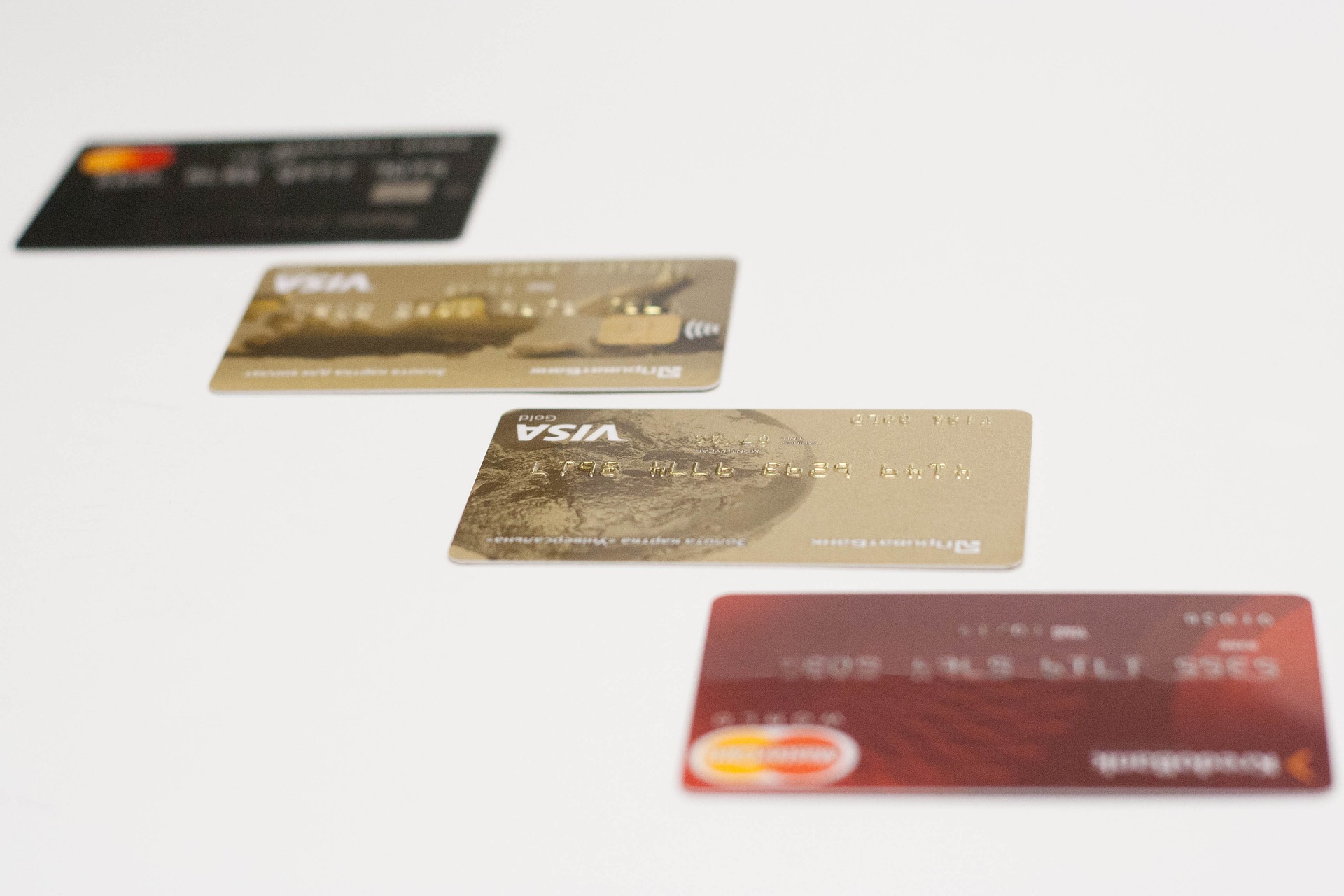
Every person who pays bills in installments or has a credit card has a credit score. The score can tell your payment behavior, total payments, and debts. The credit rating provider calculates the points for your credit history, so lenders can easily determine your credibility. When you apply for finance, the credit reference agencies calculate an overall score by reviewing your past credit behavior and sharing it with potential lenders. Through this credit score rating, lenders can decide the level of risk involved to grant you a loan.
How does Personal Credit Score Affect Your Business?
If you are a business owner, you can learn and use credit as a tool to expand your business. You can elevate to new heights by understanding the concept of credit. But, managing your credit is difficult and it gets more challenging when you have to start a business. You will struggle to finance your business with a loan if you have a poor credit history. Although business and personal credit scores are separate, a lender will consider your personal score to approve your business loan. Below, you will find some conditions where lenders will check your personal credit score for business loan approval:
1. Sole Proprietorships
Suppose you are running a sole proprietorship business. In this type of business, you haven’t registered your business as a legal entity with the state. In this condition, your personal credit score will act as your business credit. You will operate your business under your name with the same social security number. If that’s the case, the lenders will evaluate your personal score instead of business ratings. Even if you track your business and personal records separately, your personal credit score will affect your business.
To deal with this situation, you should create business credit cards for the loans. Since these cards will still stay under your name, you have to repay them. If you miss the payment, you will hurt your personal credit score. Similarly, having a bad credit score means that you can’t qualify for new loans or high-interest loans.
2. LLCs
Even when you run a business as an LLC, your personal score will reflect on your business. But, the intensity will be lower than a sole proprietorship. When you start an LLC business, you register your business for a personal tax return. Your business will have its own Employer Identification Number. This indicates that your business is liable to repay the debts and loans. Also, you will file your business taxes separate from personal taxes using a Schedule C.
In this condition, lenders will consider your business income statement and business tax return rather than your personal credit score. As a result, you can apply for a new loan with poor personal credit history. That is why you should keep your business and personal finances separate.
3. Corporations
A corporation is a business type where the business has its own tax ID number. These types of businesses manage their bank accounts, file their taxes, and repay their loans individually. The business model has nothing to do with personal credit history. In this condition, lenders won’t consider personal credit to approve new credit cards or loans.
When you apply for credit with a corporation the lender might check your personal history, but your business is liable to repay the loan. If you want to take your credit score one step further, you can opt for Moody’s, Standard & Poor’s, or Dunn & Bradstreet’s credit rating. But, this option is not applicable for solo ventures and startups.
Another thing that you should take into account that the type of your corporation. There are different types of corporations such as S-Corp or C-Corp. S-Corp is similar to LLC as it acts as a pass-through entity. Meanwhile, a C-Corp is a self-reliant and independent business with separate financial records. This type of corporation makes its financial decisions without personal intervention.
Why Personal Credit Score is Highly Important?
From the time you start planning for a business, you have to keep an eye on your personal score, especially if you apply for a business start-up loan. According to statistics, about 7% of small businesses use personal credit scores for start-ups.
Since your business credit is zero, the lender needs valid proof of your credibility. That’s when they will evaluate your personal credit history and decide whether you are eligible or not. Unfortunately, many business owners are unfamiliar with this. They have a misconception that their personal profile has nothing to do with the business loan approval.
Small business owners in the United States have to maintain two profiles, which include personal and business profiles. Keep in mind that both profiles play a significant role in business loan approval. Although both these profiles highlight different information, they will have an equal impact on your business loan approval.
How does Credit Reference Agency Calculate Your Credit Score?
Equifax, TransUnion, and Experian are the three major credit reference agencies (CRA) in the United States. They evaluate the credit history and maintain credit for each individual. When you apply for credit, the lender contacts one of these agencies and requests a credit history report.
These agencies have different methods to evaluate credit scores. But, the score generated by any of the agencies performs the same task, which helps the lender to decide about the loan approval. The credit score ranges from 000 to 999, where 999 is the highest score.
The credit score consistently changes depending on your daily transactions on credit. So, it is difficult to maintain your credit score. If you want to check your credit score, you should visit the website of any CRA and enter your credit reference number.
Various factors make up your credit card score. We will discuss these scores below:
- Your personal credit score contains your total debt. This includes your missed payments and the start and end of your current loans. Furthermore, the score also includes your bank account information. If you closed an account within the last six years, it will appear on your credit history.
- The electoral roll information includes your current and previous address and date of birth.
- Whenever you make an application form for loan approval, it will include the purpose of the loan and personal details.
- The credit score ranking includes your court appearances such as debt or bankruptcy. Also, it will include any cases of financial fraud.
- Your score will also include the joint accounts that you have with your partners. In this condition, your partners’ bad credit will reflect on your score.
- Your credit score also includes the number of your credit checks requests. So, if you applied for a loan from multiple lenders, your credit score will mark you at high risk.
Keep in mind that your personal credit score contains information on every transaction made in the last six years. However, your finance irregularities and credit discrepancies such as County Court Judgement, bankruptcies, and fraud will remain connected with your score for longer.
Can You Build a Good Business Credit with Poor Personal Credit Score?
Since you have to maintain your business and personal credit score separately, you can establish good business credit even with a poor personal score. But, keep in mind that your personal credit score affects your business score in some cases. Let’s understand how you can maintain a good business credit with a poor personal credit score:
- Firstly, you should choose the right business structure. When insurers and lenders will review your credit score for credibility, they will consider your personal credit score. But, by keeping your business separate legal entity, you neglect your bad personal score.
- Secondly, Always pay your company’s bills and invoices with credit cards and checks. Many agencies consider business credit data when you pay bills through credit cards. Keep in mind that your business credit card links with your personal credit score.
- Lastly, You should track your payments deadlines and clear the dues on time. Past payment experiences reflect on your business credit rating and score. But, you can change your habit and pay your credit payments with responsibility.
The most important thing that you should always remember is that your bad personal credit score will impact your business credit. So, you should keep your legal identity separate from business finances.
How to Improve Your Personal Credit Score?
Do you want to improve your personal credit score? If yes, then you should follow these instructions:
- First, you should take complete responsibility for your finances and keep everything organized. From now onwards, pay all your debts and payments on time. Reduce your credit utilization so you can easily repay. Your credit utilization should not exceed 30% of your limit. Also, using your credit frequently and modestly will reflect on your score.
- Now, you should check your credit score to ensure that there isn’t any mistake in the calculation. For that, you have to understand what components make up your credit score. The three credit rating agencies mentioned above offer free credit reports. You can use these reports to telly your account to prevent any attempt of identity theft and ensure that your details are correct on the electoral rolls.
- At last, you should avoid a hard credit check. Some CRA conducts a complete credit check and highlights it in your credit history. This type of credit check is a hard credit check and you should avoid it. Instead, you should go for a soft check.
Conclusion
The above-mentioned information is important if you have concerns that your personal credit score will affect your business score. Although your personal and business credit scores are separate, they tie together in some conditions. In this case, you won’t be able to get a business loan if you have a poor personal score.
Whether you have an S-Corp, LLC, or sole proprietorship business type, your personal credit score will impact your business. That said, if you have a C-Corp, there are fewer chances that the personal credit history will affect the business. However, the lender will still consider your personal score to approve your loan.
The optimal solution to this problem is to keep your business and personal accounts legal separate. Other than that, you can learn ways to maintain and track your credit score.