The Impact of Credit Score on Credit Line

Everyone needs some extra cash when they face financial troubles and need a helping hand. Fortunately, borrowers can choose from different sources to get the working capital.
It can include something simple as a personal loan, a buy now pay later option, and home equities to help you out.
However, the impact of credit score on credit line is a common factor in all these financing options, and lenders consider it an essential factor.
You may have heard of a personal line of credit but never had one. Although personal credit lines are less common today, they are still a good option for people looking for financing options.
These lines of credit were the most viable option a decade ago, but new financial systems have decreased their popularity. Let’s brush on some basics.
What is a Personal Line of Credit?
The credit line is somewhat like a credit card account, and an institute or lender extends a credit line to spend the money in a limited amount. This way, any amount that account holders use becomes a revolving debt that they can pay over time.
The system works like a credit card, so you should consider the impact of credit score on credit line as well. You can pay the minimum repayment amount on time without any penalties and continue to use the credit line at your convenience.
Factors Impacting Line of Credit
Credit line is an excellent option for account holders who want some extra assistance with their accounts. However, the impact of credit score on credit line isn’t the only thing you need to keep in mind. Here is a list of other factors that may impact the credit line:
- Credit Score
- Credit History
- Income
Impact of Credit Score on Line of Credit
The credit score has the most significant impact on the credit line because it represents your financial trustworthiness. Creditors prefer financially responsible people and do not miss out on payments.
Therefore, they consider the impact of credit scores on the credit line. The credit score consists of your credit history, payment habits, and more.
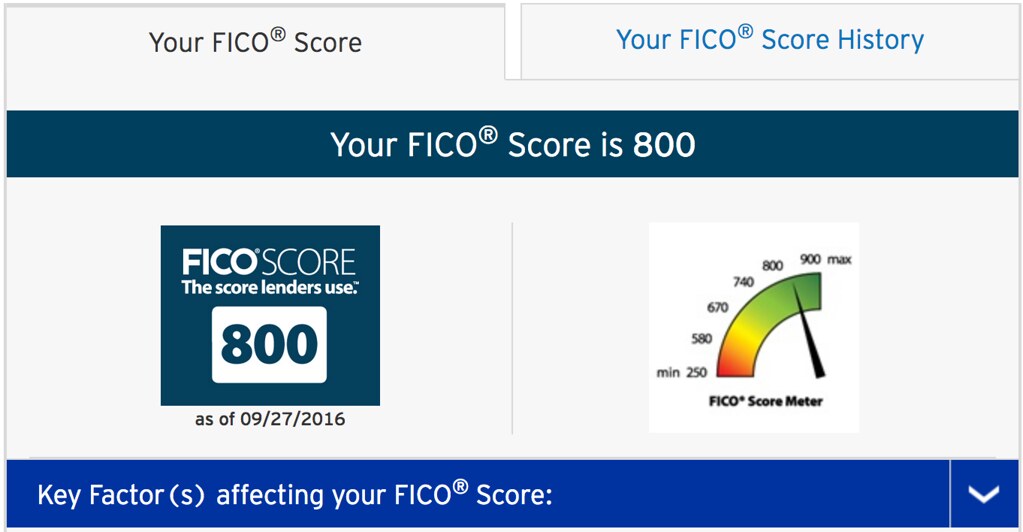
The credit scores usually range between 300 and 850, depending on your financial graphs. You need a good, long-running credit history and minimal negative items on your credit reports for a good score.
However, it is essential to keep in mind that revolving debt increases the debt utilization ratios, which can also drop your credit score.
The utilization ratio makes up around 15% of the credit score, so improving other factors for better collective scores is essential.
Most account holders with credit utilization higher than 30% see a negative impact of credit score on credit line. We suggest keeping the ratio under 10% to ensure your credit score doesn’t get out of hand.
Impact of Credit History on Line of Credit
The credit history is the most comprehensive information on your financial trajectory, and it has all your accounts listed in one place and your actions with them.
The credit history includes all the loans or borrowed amounts you have along with the payment deadlines.
The credit history also counts your credit length and the total period you own an account. People who close their older accounts or request new ones are likely to face the impact of credit score on credit line.
Credit reporting companies suggest keeping your older accounts open even if they have no balance. There is no harm in keeping the accounts running unless there is an annual fee you pay. You can also discuss reducing or waving off the fee with the providers and keep the accounts live.
Impact of Income on Line of Credit
The credit line is revolving debt, and creditors grant them to account holders who can repay them. They do not wish to risk their finance with someone who cannot return it. Therefore, income is an imperative factor that impacts credit lines.
Those who understand the impact of credit score on credit line know how critical on-time payments are. However, you cannot make the payments on time if you have insufficient income.
The higher the income, the larger the credit line can be. Lenders are willing to offer a more extensive line of credit to applicants with higher incomes.
The majority of credit line institutions readily grant the revolving debt to applicants with incomes between $50,000 and $75,000. People who make these larger incomes are likely to make payments on time and help their credit lines stay afloat.
However, it is essential to discuss the exact requirements of your provider. The credit lines can range from $1000 and $25,000, depending on the creditor’s approach. So, contact them before signing up for a line of credit.
Line of Credit and Interest Rates
The interest rates on a line of credit are generally lower than other options such as a credit card, a car loan, etc. These line of credit interest rates can be as low as 10% if you have a good credit score. However, the impact of credit score on credit line can be damaging if you have a poor credit history.
In addition, the credit lines may have a limited tenure ranging between three and five years on average. Account-holders still pay off the remaining amount once the tenure ends but cannot use the credit line for future expenses.
How do Line of Credits with Certificates of Deposit Work?
Some lines of credit use deposit certificates or investment accounts as a preventive measure. These accounts offer higher credit line limits because they come with more guarantees.
In other cases, account holders may need to pay a higher annual fee for a credit line.
Nonetheless, you cannot disregard the impact of credit scores on credit lines in these accounts. These lines of credit are a good option for borrowers who want to pay for expenses not covered by their credit cards.
How Does a Personal Line of Credit Affect Your Credit?
Credit reporting companies keep a close look at the financial activities of all account holders, including their debt circulation. Revolving debts like a line of credit may have long-lasting impacts on your credit because it can increase your maximum credit line limit and your balance.
The credit report also has your credit history, which can reduce your credit scores and limit the credit line options you have. Here is a detailed analysis of the impact of a personal line of credit on your credit.
Higher Credit Availability on Personal Line of Credit can help
The higher the available credit, the lower the credit utilization ratio. Lower credit utilization can help reduce the impact of credit score on credit line.
Credit utilization makes up 30% of the FICO score, for which you need to divide your credit limits by the total debt on the credit cards. Someone with a limit of $40,000 but a total debt of $4,000 makes the credit utilization 10%.
Personal Line of Credit Increases Revolving Debt
Getting a personal line of credit can increase your revolving debt, showing the negative impact of credit score on credit line.
People with credit utilization ratios higher than 30% face problems with their credit scores and line of credit. However, keeping the utilization under 10% ensures it doesn’t negatively impact the score.
On-time Line of Credit Payments Increase Credit Scores
Payment history is a significant factor in credit scores and their impact on finances. It takes around 35% of your final score, and people with delayed or due payments will likely face more financial problems.
Payments on the credit records for more than 30 days can stay on the credit reports for as many as seven years.
Along Line of Credit Improves the Length of Credit History
A long line of credit (5 years or more) can improve your credit scores, but the same line of credit can decrease it in case of a shorter period. So, it is essential to know what you should commit to while choosing credit line.
Reasons to Consider a Line of Credit for your Business
Business loans aren’t suitable for everyone, but other options like a line of credit can help get some extra working capital for your business or personal needs. Here are some reasons you should consider a line of credit for your next business.
Flexibility
The biggest reason people are ready to handle the impact of credit score on credit line is its flexibility. It allows account holders to access cash at various intervals. For example, if you have a delivery due and have to make a payment, a line of credit can help you.
Similarly, if your company is facing temporary financial issues, it is best to cover them with a line of credit because of more accessible repayment options. You can borrow and return amounts repeatedly, keeping your business flowing without a pause.
Control
People signing up for credit line, have complete control over their finances and their flow. You can choose to tap in and out of the resources anytime you want.
However, you need to stay within the credit line limits and keep the tenure in mind. When a credit line ends depends on the terms of the agreement your providers finalize.
The control of finances allows businesses to handle operating costs or tackle unforeseen challenges.
Approval
Line of credit has a relatively straightforward process and qualification criteria. Unlike banks, you do not have to go through lengthy approvals.
You can discuss the exact application process with credit line providers and get instant cash access. Business owners can also use the extra money to fill the financing gaps.
Business Credit
Availing of a line of credit can help you improve credit scores. Understanding the impact of credit score on credit line can help you avoid negative factors and maximize your performance. It will also help you maintain a lower account balance, and your credit score will likely improve.
You can also use the credit lines to improve your business trustworthiness by performing on-time credit line payments.
Meeting the market requirements for these loans can help you unlock new opportunities and help lenders see you as a reputable borrower.
Cash Outflow
Cash outflows can always pop up in business because of unforeseen situations. It is difficult to determine the exact financial needs ahead of time, so a line of credit can help. You shouldn’t have a problem with the revolving debt as long as you keep the impact of credit score on credit line in mind.
Business Growth
A business has many dynamic needs which can hinder a business’s growth if not met on time. Accessing cash from the growth line will help you maintain a smooth business structure and meet professional needs.
Difference between Traditional Loans and Line of Credits
While the impact of credit score on credit line and traditional loans is somewhat similar, these two loans are different.
Traditional loans provide applicants with the loan in a single payment and you have to repay with interest. However, the line of credits have interest on the amount you take instead of the total limit. This way, line of credit users pay interest for only the amounts they take from the funds.
The traditional loans are valid for a specific period, and you need to pay them within that time. However, line of credit is valid for as long as the provider wants. The users need to return the remaining amount but cannot use the credit line once the pre-defined time ends.
People can also use credit lines repeatedly as long as they repay the borrowed amount regularly.
Impact of Credit Score on Line of Credit: Bottom Line
Credit scores are an essential metric for credit financing, and the credit line option is a less popular but effective option for business and personal needs. You can get a line of credit amount and use it only as per your needs for a low interest rate.
We still suggest discussing the impact of credit scores on a credit line with our professionals at Credit Follows to ensure you face no financing issues in the future. We would love to help you understand your line of credit to offer you a viable solution.