Credit Score Components: All You should Know
A credit card is the standard and primary way to pay for making purchases. If you pay with a credit card, you already know the importance of maintaining your credit score. A credit score tells a lender about your credit ability and whether you pay your bills on time.
If you are new to credit score or have little information about it, you might have many questions. The questions that many credit card users ask are:
- What is the credit score?
- Which score model should I check?
- What are the two important types of scores?
- What are credit score components?
If you have the above-mentioned questions, you are at the right place. So, without further ado, let’s get started:
What is a Credit Score?
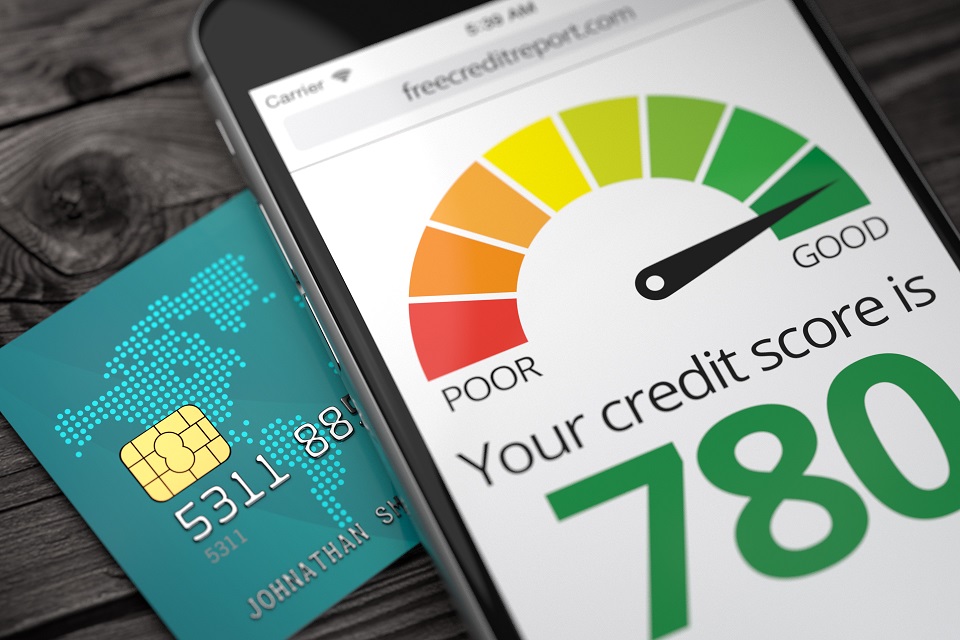
A credit score is your creditworthiness that tells lenders and investors about how good you are to pay your credit bills. A high credit score means you are responsibly paying your debt. On the other hand,if you are at credit risk and don’t pay debts on time, you have a low credit score.Let us understand different types of credit scores.
FICO and VantageScore are the major score models. Both these scores use a 300 to 850 scale. If you purchase items on credit, your credit point will fall in between this scale.Considering these scores, lenders can predict whether you will pay the credit amount in the future or not. Thus, it is important to understand and maintain the credit score system.
Main Credit Score Models
FICO and VantageScorehave minor differences but have the same results. For instance, if you have a high credit score with the FICO scale, you will have a high \score with VantageScore as well. If you have a bad score with the FICO scale, your VantageScore will also show poor results. This means that if you maintain one score model, the other model will reflect the score. Let’s learn more about these score models:
1. FICO Model
Fair, Isaac, and Company developed FICO credit score in 1989. MyFICO suggests that more than 90% of the lenders make decisions after considering FICO scoring model. This model contains a wide range of sub-categories based on the commodity.
For instance, if you are applying for an auto loan, the lender will determine your credibility with FICO Auto Score. According to NerdWallet, you need at least a 661 credit score to lease or buy a used car on credit. To purchase a new car, your credit score should be above 732.
However, the lender will check the FICO Bankcard Score if you want a new credit card.If you don’t have any credit history, you should factorize your banking activity by registering for UltraFICO. The FICO scoring model type shows your credit score based on your transactions.
FICO releases regular updates to the scoring models and helps lenders efficiently make decisions after considering an individual’s creditworthiness.Keep in mind that the score might take some time to update the latest transaction. The newly launched FICO Score 10 suite is incredible and shows accurate results. However, many businessmen still rely on FICO Score 8 model because it is more efficient. Here are some FICO credit score ranges:
- Poor score ranges between 300 and 579
- Fair score ranges between 580 and 669
- Good score ranges between 670 and 739
- Very good score ranges between 740 and 799
- Exceptional score ranges between 800 and 850
2. VantageScore Model
In 2006, three major credit bureaus like TransUnion, Experian, and Equifax came up with the VantageScore model that measured the credit score differently. However, many lenders still consider the FICO score to evaluate loan applicants.
Where the FICO scoring model focuses on payment history to measure the score, VantageScore uses credit utilization ratio and credit card balances.
VantageScore also regulates the score every day, so lenders can make an informed decisions while evaluating the loan requests. In 2017, the coalition of the bureaus released an update called VantageScore 4.0 model. This model evaluates credit behavior based on trended data. Later, the FICO scoring model also introduced trended data as an influential factor to measure the score. Here is an overview of how VantageScore ranks credit scores:
- Very poor score ranges between 300 and 499
- Poor score ranges between 500 and 600
- Fair score ranges between 601 and 660
- Good score ranges between 661 and 780
- Excellent score ranges between 781 and 850

Major Credit Score ComponentsMeasured by FICO Scoring Model
Since FICO is a prominent and leading credit scoring model, we will evaluate the influencing factors or components of this system.
1. Payment History
According to FICO, your payment history makes up 35% of your score. It is an extremely important factor to create a credit report. The reason to make payment history a crucial element is that it predicts your ability to cover new debts. If your repayment behavior has not been up to par then it is understood that you might struggle to pay your future payments as well. Keep in mind you can improve your credit score at any time by paying your bills on time.
The calculation of payment history includes installment loans such as mortgages and revolving credit such as credit cards. According to Rob Kaufman, an expert investment banker,lenders check installment loans over credit card history. That’s why maintaining your loan installment has a high impact on your credit score than improving your credit card payments. However, you have to be consistent with timely payments for an excellent score.
If you want to boost your score, you should pay your existing debts and payments before the due date. This is the easiest and fastest way to improve a huge margin of your credit score. Furthermore, the amount of debt you clear at a certain period influences your score as well.Here are some factors that influence this component:
- Paying the bills and debts on time for every account. If you pay your bills after the due date, it will negatively influence your credit report.
- The time you took to return the payment after the due date also influences this component. This means the score will be different if you pay the bills within 30 days, 60 days, and more than 90 days after the due date.
- If you fail to pay the bills even after the due date, your account will be sent to collection. This will have an immensely negative effect on your score.This component also tells whether you have a history of, charge-offs, debt settlements foreclosures, and bankruptcies. Your credit report will also show your liens, wage garnishments, or attachments. This also includes the frequency of late payments and time for your last negative event.
2. Number of Accounts
Another major factor that influences your score is the number of accounts you use. This factor holds the 30%in the credit report and helps lenders compare the number of credits you own. In other words, this part of the credit score shows your credit utilization.
If you have many credit cards and loans, you have a high credit burden. This component helps lenders to understand whether you can commit to new loans and a credit card or you are already burdened. A high credit burden means most of your monthly payment ends up in debt repayment, which hurts your score.
According to Kaufman, you are at potential risk if you repeatedly reach your credit limit. This indicates that you are already struggling to manage your debts and adding more loans can overburden your financial condition.
If you want to improve this score component, you should have strategic planning skills. You have to plan your payments accordingly. Furthermore, after paying for a credit card on time, you should leave that account open so it reflects on your current credit score. That said, you can reduce the burden by applying for an increase in your credit limit. Here are some factors that influence your score:
- The credit that you used massively influences your score. Keep in mind that you have to leave some balance in your account a shaving little balance is better than having nothing because it shows you are responsible enough to pay the debt.
- Lenders always check the money you owe on specific account types such as credit cards, auto loans, and mortgages. If you have multiple accounts and strategically manage them all, lenders will look at your request favorably.
3. Age of Credit History
The amount of time you have been using credit accounts also influences your score. This component has a 15% impact on your credit score. For new credit users, maintaining credit history is more difficult than for people with extensive credit history. People with longer credit history have more data as an influencing factor and their scores mostly remain unaffected.
Thus, you should hold your credit cards even if you don’t use them any more. Having more credit accounts means there is more data to support your score. If you close an account after paying the debt, you might notice a drop in your score.
4. Credit Score Experience
Credit mix or experience is a minor factor and represents 10% of the score. However, if you have a limited credit history, then this factor has a large impact on the score. Keep in mind, lenders can check different credit account types such as mortgages, auto loans, and student loans. If you have multiple credit accounts, the effect of this component would belittle. By improving your repayment history and credit utilization ratio, you can boost your credit score massively.
5. New Credit
The remaining 10% of your credit score depends on your recent credit accounts. If you open several new credit accounts in a short period, you will hurt your score. Also, the lender will consider you as a threat and might not offer a new loan or credit account.If you have short credit experience, you shouldn’t open multiple accounts as every new account that you open will reflect on your credit report. Whether the lender approves your credit request or denies it, it will appear on the report.
Therefore, you have to be careful while applying for a new credit account. Keep in mind that lenders can see inquiries on your credit report for two years. However, FICO doesn’t include soft credits such as credit monitoring services on your credit score.Also, it shows the credit checks for the last 12 months only.
Conclusion
If you want the lenders to approve your loans and offer the best interest rates, you should maintain your credit score. The above-mentioned score components play a major role in the score. If you manage these factors, you can maintain a good score that every lender wants to see.
If you want to improve your score, you should collaborate with a platform that offers practical advice to manage your finances. Whether you want to purchase a home or a new car on loan, they will advise you on an effective strategy to maintain your credit score. For more information about credit scores, you should check Credit Follows.